Fake college transcript: 6 checks to spot one fast

Table of Contents
Why fake college transcripts are a problem
A fake college transcript usually fails at least one of six checks: the design, the wording, the verifiable badge test, the issuer background check, the address check, and expert verification. This guide walks through all six in the order that exposes most fakes fastest.
Diploma mills sell fake transcripts, diplomas, and certificates online, some promising delivery within 24 hours. At the same time, schools and universities increasingly issue online certificates and microcredentials instead of printed documents, so more hiring and admissions decisions depend on digital files.
That shift cuts both ways. A digital document is easy to imitate casually, but a genuine digital credential is also far easier to verify than paper. Sertifier, a digital credential platform, builds that verification in, and the checks below work whether the document in front of you is digital or printed.
Check the design first

A genuine transcript or diploma is visually restrained. Expect a clean layout, the issuing institution’s name and the date, a barcode or QR code, and one or two conservative typefaces.
Fakes tend to overdecorate. Gaudy borders, ornate gothic or mock-medieval fonts, and missing details are the classic tells, and heavy decoration usually covers for information that is not there. Institutions keep their templates current, so badly outdated styling is another red flag. To see how a legitimate certificate layout comes together, read our guide on how to create a certificate in Word.
Use a verification agency for high stakes
Specialist agencies verify diplomas, transcripts, and qualification certificates for a living. Their examiners compare the document against known-genuine records and confirm details with the institution directly.
Many employers ask candidates to hand over credentials precisely so they can be checked this way, and that applies doubly to online certificates. If a hire or an admission depends on the document, a professional check costs little compared to getting it wrong.
Read the wording
Institutions describe credentials in clear, plain language. Most fakes miss that register: the text reads either mock-medieval or oddly informal, and course or program names stay vague.
If the wording is flashy where it should be factual, treat the document as suspect and move straight to the verification checks below.
Run the verifiable badge test
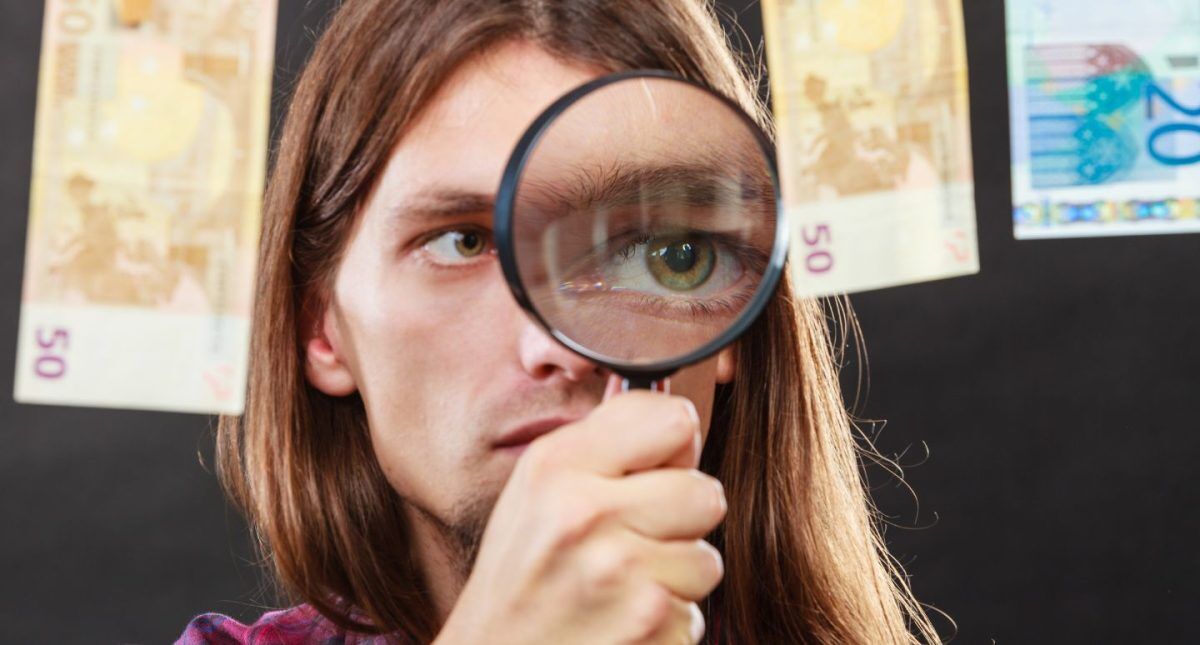
This is the strongest single check. A genuine digital credential carries a verifiable online badge or a credential URL that resolves to the issuer’s verification page. Schools that issue their graduation certificates as verifiable digital credentials give every graduate this proof by default.
If the badge looks off, there is no barcode or verification link, or verification fails after multiple attempts, treat the document as fake until the institution confirms otherwise.
Check the issuing institution
Look up the issuer’s website and domain. A legitimate institution lists its programs publicly, so if the program named on the transcript appears nowhere on the site, you have your answer.
Fraudsters go surprisingly far, up to and including convincingly staffed fake institutions. For contested documents, forensic document examiners can evaluate a credential end to end, and government-backed organizations run workshops on fraud detection using forensics.
Verify the address
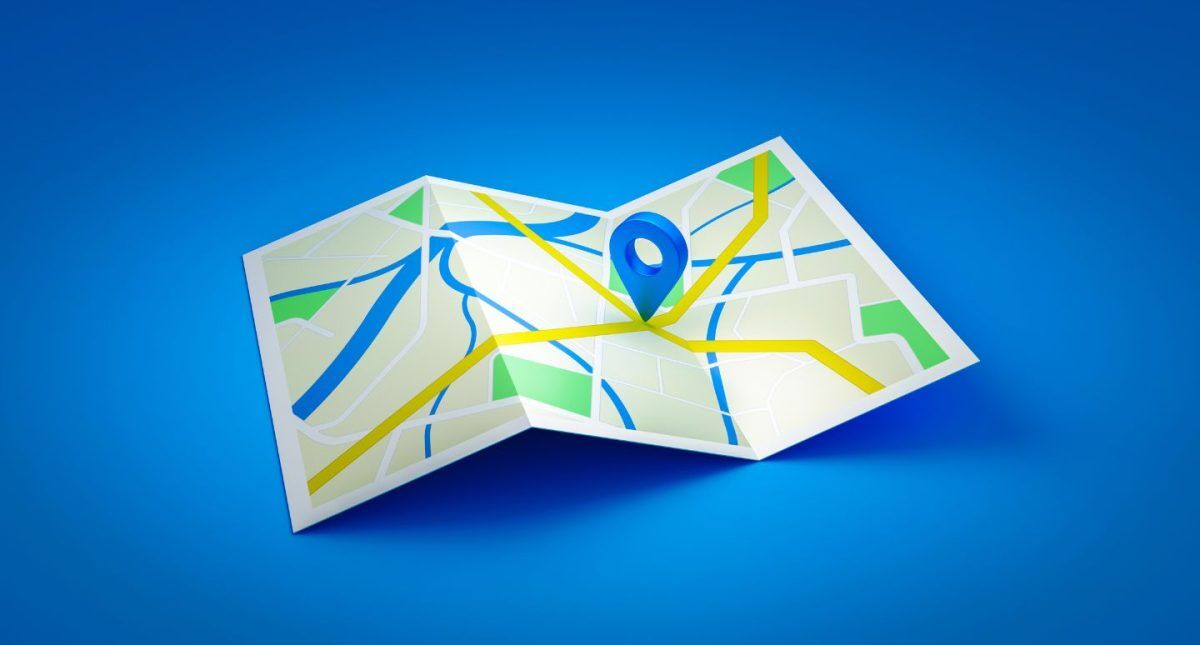
Find the postal address and contact details on the certificate or the issuer’s site, then check the location on Google Maps and confirm the building exists with Street View. Foreign institutions are harder to verify, which makes this step matter more, not less.
Do not stop at a phone call. Some fake institutions staff their own phone lines, so an answered call proves little on its own.
Run the checks in order
Design, wording, badge verification, issuer background, address, and expert review: a fake college transcript rarely survives all six. The verifiable badge test does the most work, so start there when you are short on time.
How to spot a fake academic transcript: 7 verification checks for HR and admissions covers the updated 2026 toolkit for HR teams.
Fake college transcript FAQ
How can you tell if a college transcript is fake?
Run six checks: the design, the wording, the verifiable badge or credential URL, the issuer’s website and program list, the physical address, and, for high-stakes decisions, a professional verification agency.
What is the fastest way to verify a transcript?
Use the credential URL or online badge. A genuine digital credential resolves to the issuer’s verification page, and repeated verification failures are the clearest sign of a fake.
Do employers actually check college transcripts?
Many do. Employers and admissions offices routinely ask candidates for their credentials and use verification agencies to check them, especially for online certificates.
Why are digital credentials harder to fake than paper?
A verifiable digital credential carries issuer-controlled metadata and a public verification link. A static PDF or printed document has neither, so it depends entirely on visual inspection.


This article sheds light on the rise of fake diplomas and college transcripts in a digital age where online certificates are increasingly common. By focusing on design details, online verification, and institution checks, readers gain insight into spotting fraudulent credentials and why hiring experts may be essential in preventing deception. Buying fake diplomas may seem tempting, but it leads to legal risks, reputation damage, financial loss, workplace challenges, and personal ethical dilemmas. Choose real qualifications instead. https://medium.com/@SterlingPhoenix/the-dangers-and-consequences-of-buying-fake-diplomas-or-degree-transcripts-online-1ccf79568555