Badgr Badges: Complete Guide to Digital Credentialing with Canvas Integration

Badgr badges have revolutionized how organizations recognize and verify learning achievements through digital credentialing. Since 2015, badgr badges have led this transformation, originally developed by Concentric Sky as a free, open-source platform. Badgr evolved from a simple badge creation tool into one of the world’s most trusted digital credentialing systems, serving over 10,000 partner organizations globally.
This guide is designed for educators, administrators, and organizations interested in digital credentialing and Canvas integration. Today, accessing badgr badges requires understanding their integration with Canvas LMS (Learning Management System) and the platform’s evolution following multiple acquisitions. This comprehensive guide explores everything you need to know about badgr badges, from basic functionality to advanced features, while examining why alternative platforms like Sertifier often provide superior solutions for modern digital credentialing needs.
In Summary
In summary, this guide explains what badgr badges are, how to access them, and how they compare to alternatives, helping you choose the best digital credentialing solution for your needs.
What are Badgr Badges?
Badgr badges are digital badges that represent verified achievements and skills earned through online courses and training programs. Unlike simple completion certificates, these web-based credentials contain rich metadata that can be independently verified, making them valuable assets for learners seeking to demonstrate competencies to employers, educational institutions, and professional organizations.
The Open Badges standard is a set of guidelines for creating and sharing digital badges that include verifiable information about achievements. The platform follows Mozilla’s Open Badges standard, ensuring that each badge contains structured information about what the learner achieved, who issued the credential, the specific criteria required for earning it, and when it was awarded. This standardization enables badges to function as stackable micro-credentials that combine into larger qualifications through Badgr’s Pathways feature.
Micro-credentials are small, stackable certifications that represent specific skills or achievements. These digital certificates can be shared across social media platforms like LinkedIn, Facebook, Twitter, and Pinterest, allowing learners to showcase their achievements professionally. The open badges architecture ensures portability, meaning credentials remain valid and verifiable even when moving between different learning management systems or career contexts.
Each badgr badge operates as a portable, shareable digital credential embedded with machine-readable data that enables real-time verification. This technical foundation distinguishes badgr badges from simple image files or PDF certificates, providing employers and institutions with confidence in the authenticity and rigor of represented achievements.
With a clear understanding of what badgr badges are and how they function, let’s move on to how the platform integrates with Canvas and what that means for users.
Badgr Platform Overview and Canvas Integration
The current badgr landscape reflects significant changes in platform ownership and access. Badgr was acquired by Instructure (makers of Canvas LMS (Learning Management System)) in April 2022 through the purchase of Concentric Sky, fundamentally altering how organizations and users access the platform’s digital badging capabilities.
This acquisition means badgr is now primarily accessible through Canvas LMS subscriptions rather than the standalone Badgr website. The integration provides seamless functionality within Canvas courses, allowing instructors to award badges directly within the learning management system based on module completion, assignment submission, or custom criteria.
For existing Canvas subscribers, this integration offers free access as an included feature, making it cost-effective for institutions already invested in the Canvas ecosystem. However, this model creates significant barriers for organizations not using Canvas, as accessing badgr functionality now requires going through Instructure rather than direct platform registration.
The technical integration operates through Learning Tools Interoperability (LTI) standards. Learning Tools Interoperability (LTI) is a standard that allows different learning platforms to work together seamlessly, enabling automatic badge issuance when students complete specific course requirements. Instructors can map Canvas modules to badges, creating automated credentialing workflows that reduce administrative overhead while providing immediate recognition for learner achievements.
Mozilla’s decision in August 2018 to retire the Mozilla Backpack and transfer that role to Badgr positioned the platform as the de facto global repository for Open Badges. This transition consolidated millions of existing credentials under the Badgr infrastructure, which now operates under the Canvas Badges and Canvas Credentials branding.
With this understanding of how Badgr integrates with Canvas, let’s explore how users can find and claim their badges.
How to Find and Claim Your Badgr Badges
Accessing your badgr badges depends on whether you’re working within a Canvas course environment or need to retrieve previously earned credentials. The process has become more complex following the platform’s integration with Canvas LMS and subsequent rebranding efforts.
Accessing Through Canvas
Students enrolled in Canvas courses can access their credentials through the “Credentials” link in the course navigation menu. This direct integration allows learners to view newly earned badges immediately after completing required course activities or assignments.
To identify whether your course uses Badgr or Canvas Badges platform, check course banners and announcements. Many instructors will note which credentialing system is enabled for their specific course, helping students understand how their achievements will be tracked and awarded.
The same email address used for Canvas login typically connects to your badgr account automatically, streamlining the badge claiming process. When badges are awarded to your university or organizational email, they’re automatically linked to your digital credentials profile without requiring separate account creation.
Accessing Badges When Canvas Course is Unavailable
For badges earned outside the Canvas environment or when course access is no longer available, users can log in directly to the Badgr platform using their institutional email address. The site https://badgr.com now redirects to Instructure’s credential management system, requiring users to navigate through Canvas-branded interfaces.
Previously awarded badges remain accessible even if Canvas courses become unpublished or unavailable, ensuring learners maintain free lifetime access to earned credentials through the platform. This persistence protects investments in professional development and ensures credentials remain valuable throughout career transitions.
If you encounter difficulties accessing your badges account or retrieving specific credentials, contact Badgr support through the official Instructure channels. The support process now requires working through Canvas customer service rather than dedicated Badgr representatives, which can complicate resolution for users outside the Canvas ecosystem.
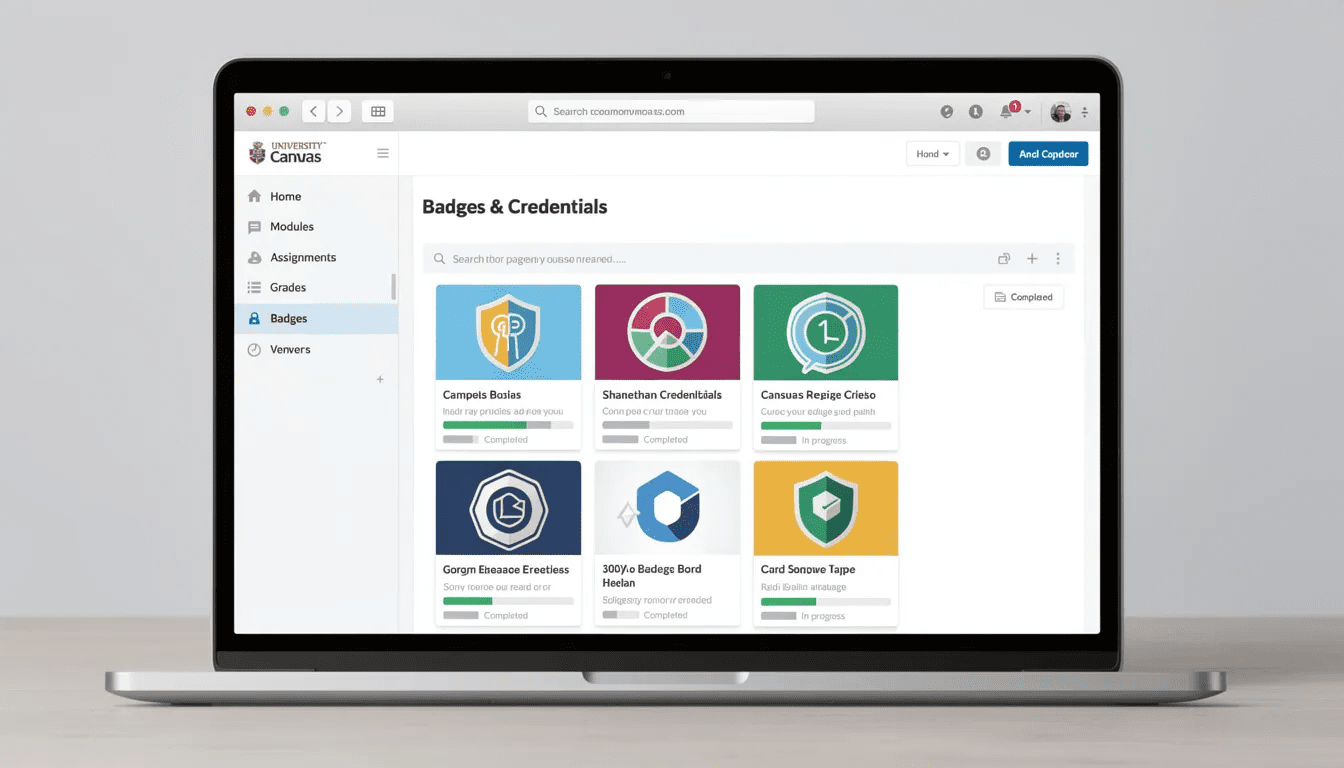
Now that you know how to access and claim your badges, let’s take a closer look at the key features that make Badgr a popular choice for digital credentialing.
Key Badgr Features
Badgr offers several distinctive capabilities that have made it popular among educational institutions and training organizations. Understanding these features helps organizations evaluate whether badgr meets their digital credentialing requirements or if alternative solutions like Sertifier provide better functionality.
Key Features of Badgr:
- Pathways and Credential Mapping
- Digital Backpack and Credential Management
- Badge Designer and Issuance Tools
- Badge Sharing and Social Media Integration
Badgr Pathways and Credential Mapping
Badgr Pathways represent one of the platform’s most sophisticated features, enabling organizations to map connections between different badges and create visual learning journeys. This system allows institutions to design stackable credential programs where multiple micro-credentials combine into more substantial qualifications.
The pathway visualization helps learners understand their progress toward completion while enabling instructors to create complex, multi-step certification processes. Required and optional badge combinations provide flexibility in program design, allowing students to customize their learning journey while meeting core competency requirements.
Organizations can configure pathways to automatically award capstone badges when students complete all required elements, creating clear incentives for program completion. This automation reduces administrative burden while providing immediate recognition for significant learning achievements.
Digital Backpack and Credential Management
The Digital Backpack serves as a centralized badge storage and credential management system, aggregating achievements from multiple issuers and courses. This feature enables learners to maintain comprehensive portfolios of their digital credentials regardless of where they were earned.
The backpack allows users to control visibility and sharing settings for individual badges, providing privacy controls while enabling selective credential sharing. Learners can create public profiles showcasing specific achievements while keeping other credentials private or restricted to particular audiences.
Integration with the backpack ensures credentials remain accessible throughout career transitions and educational progressions, providing long-term value for professional development investments.
Badge Designer and Issuance Tools
Badgr includes a built-in badge designer with 10+ customizable shapes and design options, enabling organizations to create visually distinctive credentials that reflect their branding and program identity. While functional, the design capabilities are relatively basic compared to modern alternatives.
The platform supports bulk badge issuance through CSV spreadsheet uploads, streamlining credential distribution for large cohorts or training programs. This capability enables efficient management of credentials for hundreds or thousands of learners simultaneously.
Automated issuance based on course completion criteria reduces manual administrative tasks while ensuring timely recognition of achievements. Integration with Canvas modules allows badges to trigger automatically when students meet specified requirements.
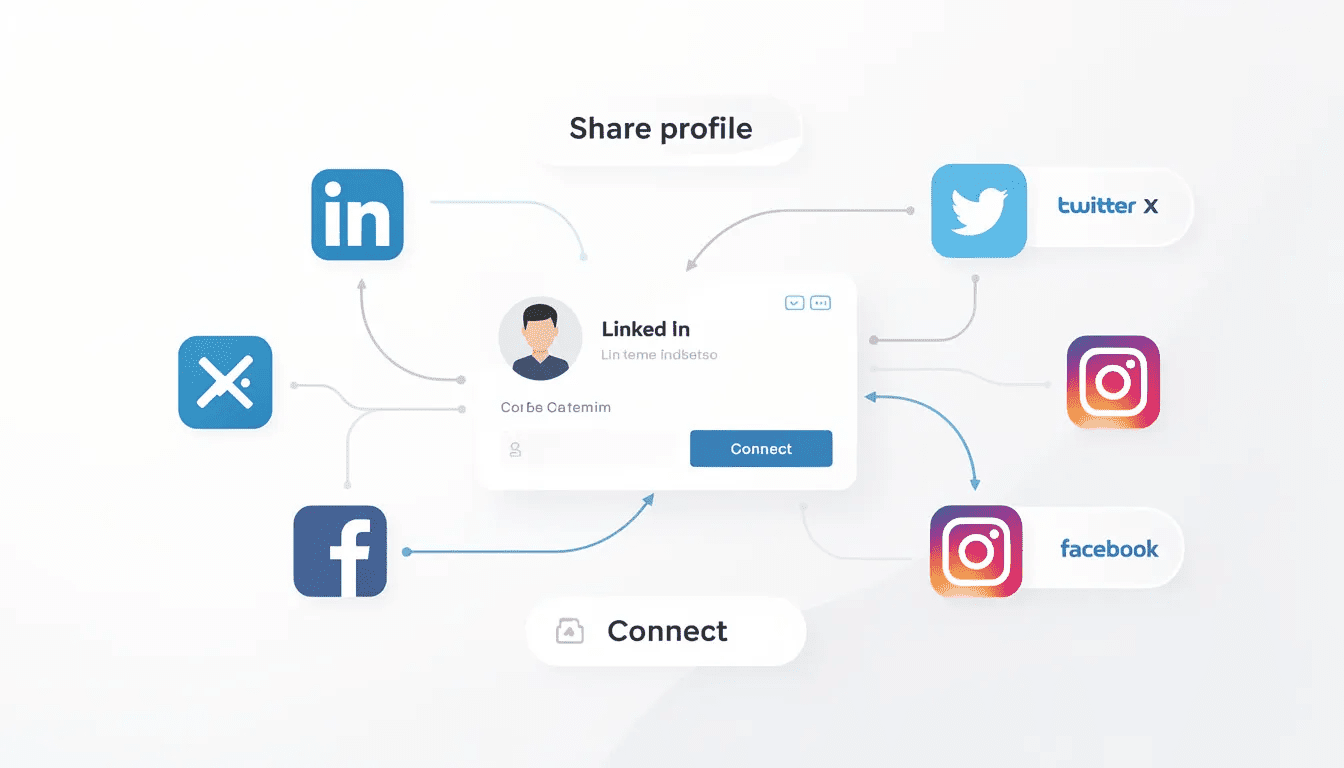
Badge Sharing and Social Media Integration
Professional networking integration represents a key value proposition, with direct sharing to LinkedIn certification under Licenses and Certificates section using unique badge URLs. This functionality helps learners showcase achievements to potential employers and professional contacts.
Social media posting options for Facebook, Twitter, and Pinterest include HTML embed codes that maintain credential verification while expanding reach across digital platforms. The sharing capabilities enable learners to build professional presence around their achievements.
Privacy controls allow users to show or hide email addresses associated with badge accounts, providing flexibility in how personal information appears in shared credentials. Professional profile integration supports career advancement and networking opportunities by making achievements visible and verifiable.
Now that we’ve covered Badgr’s main features, let’s examine the platform’s pricing and access requirements.
Badgr Pricing and Access Requirements
The current pricing structure for badgr reflects its integration with Canvas LMS and creates significant barriers for organizations not already invested in the Instructure ecosystem. Understanding these costs is crucial for institutions evaluating digital credentialing platform options.
Badgr is now free only for organizations with existing Canvas LMS subscriptions, fundamentally changing the platform’s accessibility compared to its original open-source model. This restriction means institutions must evaluate the total cost of Canvas implementation rather than just badge functionality.
For organizations without Canvas subscriptions, accessing badgr requires going through Instructure sales processes rather than direct platform registration. This creates significant overhead for institutions that simply want to add digital credentialing capabilities without adopting an entirely new learning management system.
The platform no longer offers publicly disclosed pricing for non-Canvas users, requiring potential customers to contact sales representatives for quotes. This opacity contrasts sharply with transparent pricing models offered by alternatives like Sertifier, which provide clear cost structures regardless of existing LMS investments.
Canvas LMS subscriptions can be expensive for smaller institutions, particularly when the primary need is digital credentialing rather than comprehensive learning management functionality. The bundled approach may force organizations to pay for capabilities they don’t need to access badge features they do want.
Badgr Access Methods and Costs
Access Method | Cost Structure | Requirements |
|---|---|---|
Canvas Integration | Free with subscription | Existing Canvas LMS license |
Standalone Access | Contact sales | Instructure relationship |
Legacy Accounts | Varies | Historical usage only |
With a clear understanding of pricing and access, let’s compare Badgr to other digital badge platforms to help you make an informed decision.
Badgr vs Alternative Digital Badge Platforms
While badgr established many foundational concepts in digital credentialing, the platform’s evolution and access restrictions have created opportunities for more modern, flexible alternatives. Evaluating badgr against contemporary solutions reveals significant limitations that affect its suitability for many organizations.
The platform’s integration with Canvas provides seamless functionality for existing users but creates barriers for institutions using other learning management systems or requiring standalone credentialing capabilities. Limited public reviews compared to competitors like Sertifier on platforms such as G2 and TrustRadius suggest challenges with user satisfaction and platform reliability.
Badgr maintains strong partnerships with organizations like Pacific Science Centre and UpSkill San Antonio, demonstrating continued relevance in specific educational contexts. The platform’s simpler bulk badge issuance process compared to more complex multi-step competitors provides advantages for straightforward credentialing needs.
However, the platform’s dependence on Canvas infrastructure and limited standalone accessibility increasingly position it as a niche solution rather than a comprehensive digital credentialing platform suitable for diverse organizational needs.
Why Sertifier is the Best Badgr Alternative
Sertifier emerges as the superior alternative to badgr badges, offering enhanced functionality, transparent pricing, and platform independence that addresses many limitations of the Canvas-integrated approach. Organizations evaluating digital credentialing options will find Sertifier provides more comprehensive solutions for modern badge programs.
The pricing structure of Sertifier is significantly more affordable and transparent, without requiring expensive LMS subscriptions or complex vendor relationships. This accessibility enables organizations of all sizes to implement robust digital credentialing without substantial infrastructure investments.
Advanced analytics and reporting capabilities in Sertifier far exceed badgr’s basic issuance tracking, providing detailed insights into badge performance, learner engagement, and program effectiveness. These analytics enable data-driven optimization of credentialing programs and demonstrate return on investment to organizational leadership.
Superior customer support and extensive public reviews demonstrate Sertifier’s reliability and commitment to user success. The platform maintains consistently high ratings across review platforms, contrasting with badgr’s limited public feedback and Canvas-mediated support structure.
Flexible integration options work with any learning platform, not just Canvas, providing organizations with freedom to choose optimal LMS solutions without constraining credentialing capabilities. This platform independence protects institutions from vendor lock-in while enabling best-of-breed technology selections.
Enhanced security features and better verification systems ensure credential authenticity while providing stronger protection against fraud and misrepresentation. Modern cryptographic approaches and blockchain integration options future-proof credentials against evolving security threats.
The modern, user-friendly interface offers better customization options than badgr’s limited designer, enabling organizations to create professional credentials that reflect their brand identity and program quality. Advanced design capabilities support marketing and recruitment efforts by making credentials visually compelling and professionally credible.
Situations Requiring Alternative Solutions
Organizations without Canvas subscriptions seeking cost-effective badge platforms will find Sertifier and similar alternatives provide better value propositions than badgr’s current access model. The requirement to purchase expensive LMS subscriptions primarily for badging capability rarely makes financial sense for most institutions.
Companies needing advanced analytics and labor market insights for credential tracking will discover that badgr’s basic reporting capabilities cannot support sophisticated program evaluation and optimization. Modern platforms like Sertifier provide comprehensive data dashboards that enable evidence-based program management.
Institutions requiring better customer support and platform reliability should seriously consider alternatives, as badgr’s integration into Canvas support structures has complicated assistance for users with specific credentialing needs. Dedicated credentialing platforms typically provide more specialized expertise and responsive service.
Organizations seeking modern, scalable solutions with comprehensive feature sets will find that Sertifier offers superior functionality across all aspects of digital credentialing, from design and issuance to analytics and verification. The platform’s focus on credentialing excellence rather than LMS integration enables deeper capabilities and better user experiences.
Multi-platform institutions requiring credentialing that works across different learning management systems and educational technologies need solutions that provide true interoperability rather than single-vendor dependency. Platform-agnostic alternatives ensure credentialing investments remain valuable regardless of future technology decisions.
With these comparisons in mind, let’s conclude with a summary of Badgr’s impact and the future of digital credentialing.
Conclusion
Badgr badges played a crucial role in establishing digital credentialing as a legitimate and valuable approach to recognizing learning achievements. The platform’s commitment to Open Badges standards and integration with major learning management systems created a foundation that continues to influence the industry today.
However, the platform’s evolution through multiple acquisitions and integration into Canvas LMS has fundamentally changed its accessibility and value proposition. What began as an open, accessible platform has become a component of expensive enterprise software suites that may not align with many organizations’ needs or budgets.
For institutions already invested in Canvas LMS, the integrated badging functionality provides convenient access to digital credentialing capabilities. Yet for the broader market of educational institutions, training organizations, and companies seeking to implement robust credentialing programs, alternatives like Sertifier offer superior features, pricing, and flexibility.
The future of digital credentialing belongs to platforms that prioritize user experience, comprehensive analytics, and platform independence while maintaining the verification standards and interoperability that make digital badges valuable. Organizations evaluating their credentialing strategies should carefully consider whether badgr’s current limitations align with their long-term goals or whether modern alternatives better serve their needs for recognizing and rewarding learning achievements.